
What the G20 Compact with Africa Still Teaches Us Today
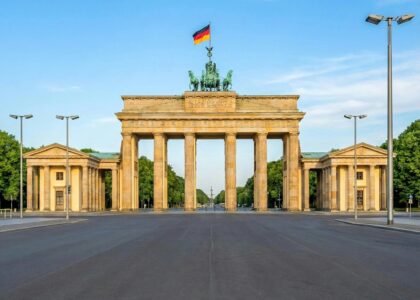
In 2018, global leaders, investors, and policymakers gathered in Berlin for the G20 Investment Summit under the leadership of Chancellor Angela Merkel.
At the heart of the discussions was a clear ambition:
To reshape the narrative around Africa — from perceived risk to long-term investment opportunity.
The summit marked a significant step forward in advancing the G20 Compact with Africa (CwA), an initiative designed to improve the conditions for private investment across participating African countries.
A Shift in Perspective
For decades, Africa has often been approached with hesitation by international investors. The G20 Summit challenged this mindset. By bringing together heads of state, financial institutions, and private sector leaders, the dialogue focused on:
● strengthening macroeconomic frameworks
● improving regulatory environments
● enabling private sector participation
● fostering sustainable economic growth
the message was clear: Africa is not defined by risk — but by opportunity, provided that the right structures are in place.
Beyond Opportunity: The Question of Execution
While the Compact with Africa created a strong framework for investment, one critical challenge remains highly relevant today:
How do we move from policy frameworks and dialogue to bankable, executable projects? This is where many initiatives lose momentum. Because opportunity alone is not enough.
Successful investment requires:
● clearly structured projects
● defined revenue models
● aligned stakeholders
● long-term commitment
Without these elements, even the most promising initiatives struggle to materialize.
From Frameworks to Bankable Projects
The G20 Compact with Africa laid the foundation for improving investment conditions.
However, the real value is created one level deeper: At the level of project structuring.
This means:
● translating opportunities into investment-ready assets
● building consortiums of international and local partners
● aligning public and private sector interests
● ensuring financial viability and risk allocation In other words: Moving from vision to execution.
A Personal Perspective
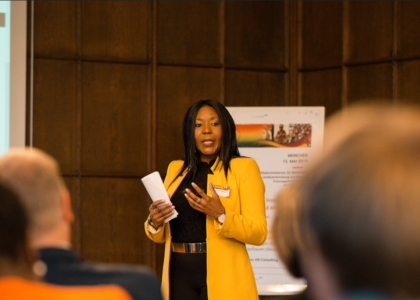
Participating in the 2018 G20 Investment Summit in Berlin provided early insight into the dynamics shaping Euro-African economic cooperation.
It highlighted a fundamental truth that continues to guide my work today: Africa does not lack opportunities. It lacks structured, bankable execution.
This realization has shaped my approach to building platforms and partnerships that focus not only on identifying opportunities — but on structuring them into viable, investable projects.
Looking Ahead Since 2018
The global conversation around Africa has evolved significantly. There is increasing recognition of:
● Africa’s demographic growth
● rising urbanization
● infrastructure demand
● and its role in the global economy
Yet, the core challenge remains unchanged: Turning potential into structured, scalable, and sustainable investments.
Conclusion: The Next Phase of Euro-African Cooperation The future of Euro-African partnerships will not be defined by dialogue alone.
It will be defined by execution.
By the ability to:
● structure projects
● align stakeholders
● mobilize capital
● and deliver tangible impact
The foundations have been laid. The next step is clear:
From global dialogue ➡ to structured execution .
Keywords: G20 Compact with Africa, Africa investment, Euro-African partnerships, infrastructure Africa, investment strategy Africa, private investment Africa